
Phillip Island Penguin Parade: Witness Victoria’s Iconic Little Penguins
If you’re looking for an unforgettable wildlife experience in Victoria, the Phillip Island Penguin Parade is a must-see. As twilight falls over Summerland Beach, thousands of Little Penguins – the world’s smallest penguin species – waddle ashore from the sea, creating one of Australia’s most iconic wildlife spectacles. This event is not only a magical experience for visitors but also a vital part of penguin conservation, highlighting the work of dedicated rangers, volunteers, and researchers.
Where to Find Little Penguins in Victoria
While Phillip Island hosts the largest and most famous colony, Little Penguins (Eudyptula minor) can also be found in other locations across Victoria. Closer to Melbourne, a small but important colony lives under the St Kilda breakwater, offering an urban wildlife encounter. Historically, colonies existed along the Mornington Peninsula and other southern Victorian coastlines, though many have declined due to habitat loss, predation, and human impact. Phillip Island remains a stronghold, supporting tens of thousands of penguins and providing a model for successful conservation.
The History of the Phillip Island Penguin Colony
The Summerland Peninsula, now the heart of the Penguin Parade, was once a residential area. Houses and roads occupied land that penguins had long used for nesting, leading to conflicts between human activity and wildlife. Over time, the area was cleared for conservation, giving rise to the creation of Phillip Island Nature Parks. This organisation manages the Penguin Parade, oversees habitat restoration, and ensures the colony thrives while balancing tourism, research, and environmental protection.
Over the decades, the Penguin Parade has grown into a world-renowned ecotourism destination. Rangers conduct nightly counts of penguins returning to shore, gathering crucial data on population trends, breeding success, and feeding patterns. Visitor experiences have expanded carefully over time, including premium beachfront viewing, underground observation areas, and guided tours led by knowledgeable rangers, all designed to protect the penguins while connecting visitors to their fascinating world.
Life and Behaviour of Phillip Island Penguins
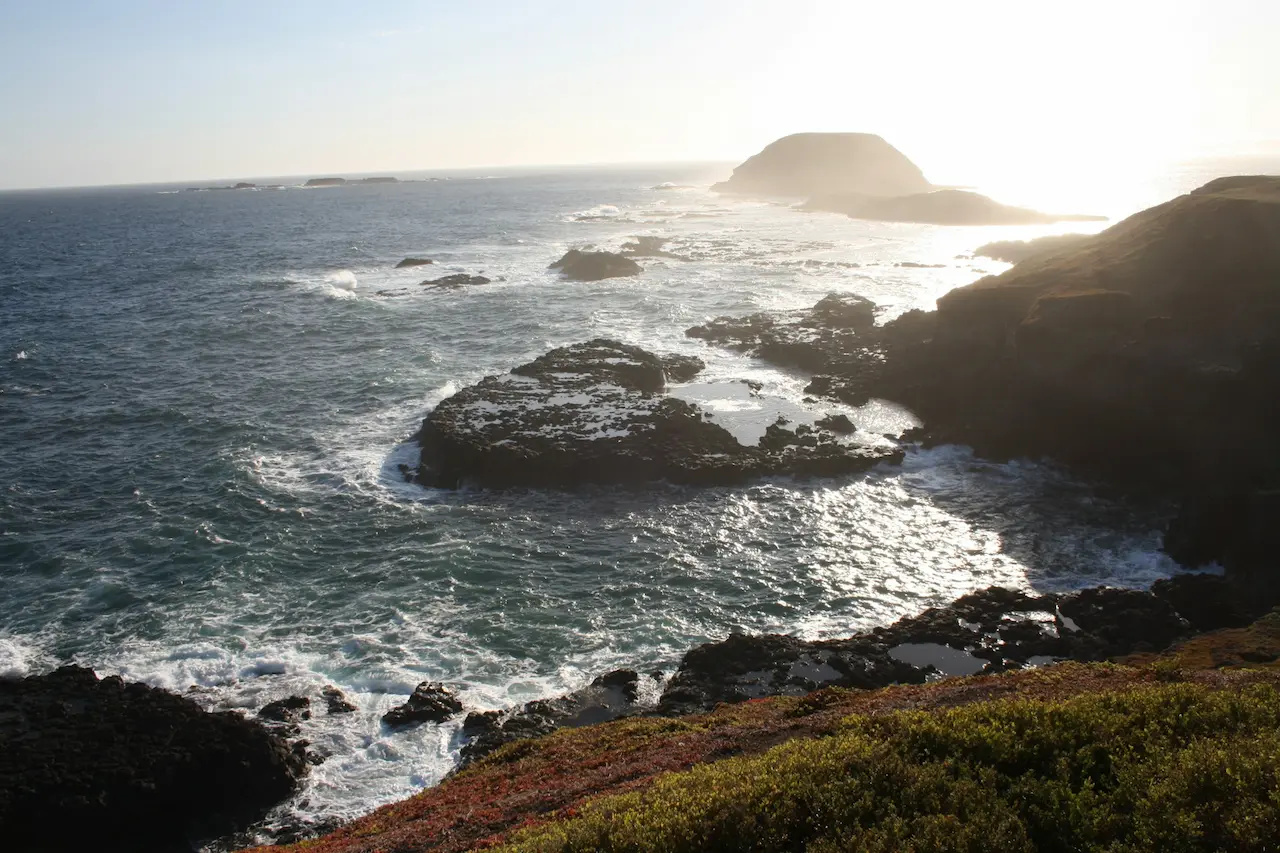
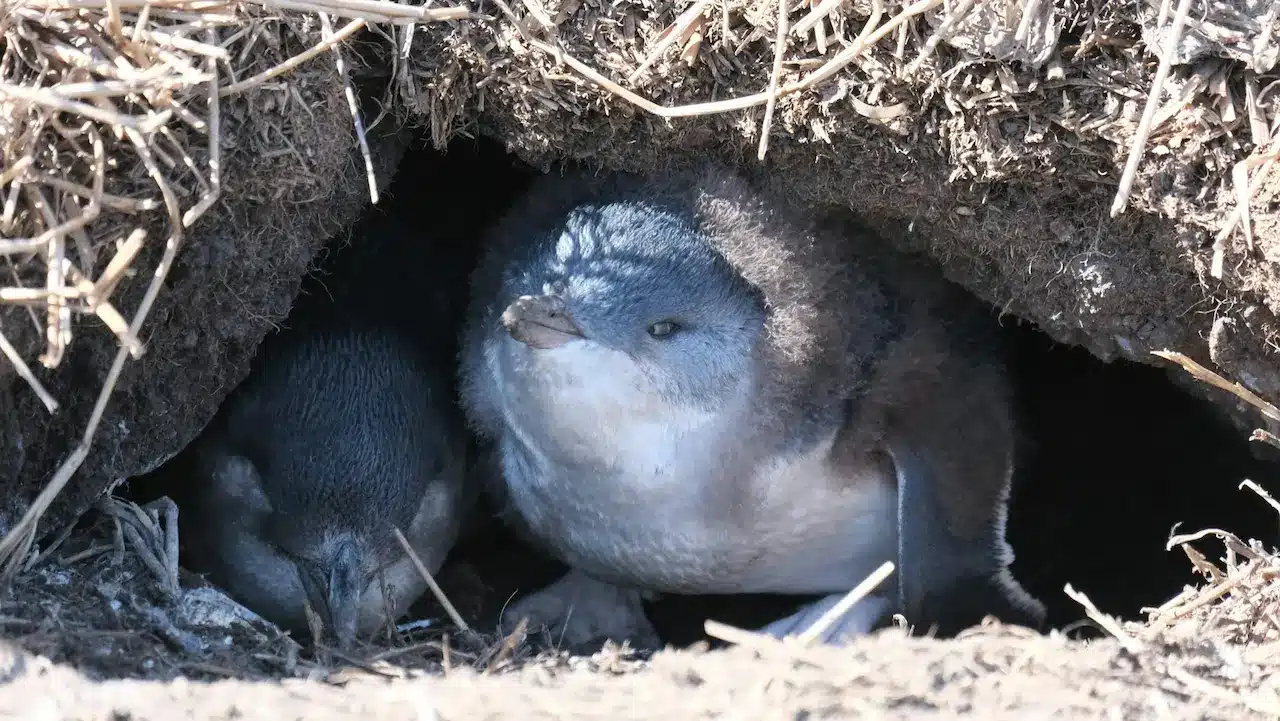
Phillip Island is home to one of the largest accessible Little Penguin colonies in the world. Every evening, the penguins return from a day of foraging at sea, marching in groups to their burrows along Summerland Beach. Rangers carefully track these arrivals, providing insights into the health and size of the population. Research has shown that environmental conditions at sea directly impact penguin behaviour and breeding success. Penguins sometimes travel further offshore to find food, which can delay their return and affect chick survival. Scientists use GPS trackers, acoustic studies, and long-term monitoring to better understand foraging habits and social interactions. Simultaneously, habitat restoration projects replenish sand on beaches and stabilise dunes, ensuring safe nesting spaces for generations of penguins.
Threats Facing Little Penguins
Despite conservation efforts, Little Penguins face a variety of risks. Introduced predators such as foxes and domestic cats or dogs pose significant dangers. Light pollution can disorient penguins returning from the sea, while changes in fish populations may force them to travel longer distances for food, affecting chick rearing. Pollution, particularly oil contamination, can damage feathers and reduce the penguins’ ability to stay warm. Human disturbance, including noise and flash photography, also stresses the birds, highlighting the importance of respectful visitor behaviour.
The People Behind the Parade
The Penguin Parade thrives because of the work of dedicated rangers, biologists, volunteers, and researchers. Rangers monitor penguin numbers, care for injured individuals, and oversee habitat restoration. Volunteers support conservation activities, while researchers study penguin foraging, social behaviour, and breeding patterns. Together, these teams ensure the colony remains healthy and sustainable, while also educating the public about wildlife conservation. Stories of individual penguins, such as those who return after long absences or recover from injuries, showcase the resilience of the species and the success of ongoing protection efforts.
Visitor Experiences at the Penguin Parade
Visitors can choose from multiple viewing options, all designed to offer memorable experiences without disturbing the penguins. Large tiered grandstands provide sweeping views of the beach, while Penguins Plus platforms allow closer observation with expert commentary. Underground viewing areas let guests watch the penguins from eye level behind glass, and guided tours give an educational perspective on penguin biology and conservation. Premium experiences provide private beachfront access with interpretive talks, combining comfort with conservation awareness. Visitors are advised to arrive early, dress warmly, and follow guidelines to ensure penguins are not disturbed.
Conservation and Education
The Penguin Parade plays a crucial role in funding conservation initiatives. Revenue from tickets supports habitat restoration, scientific research, and penguin care. Nightly counts and monitoring help track population trends and identify emerging threats. The conservation program also educates visitors, offering school programs, interpretive materials, and guided tours that inspire action to reduce pollution, protect habitats, and support sustainable wildlife practices. By participating responsibly, visitors contribute directly to the wellbeing of the colony.
Challenges and the Future
While Phillip Island’s penguin population is robust, challenges remain. Climate variability affects food availability, and increasing visitor numbers require careful management to balance tourism with conservation. Ongoing habitat restoration, dune stabilisation, and ecological research are essential. However, the dedication of rangers, volunteers, and the local community provides confidence that the colony will continue to thrive for years to come.
In Conclusion
The Phillip Island Penguin Parade is more than a tourist attraction – it is a celebration of nature, a hub for scientific research, and a testament to successful conservation. Visitors experience the joy of watching Little Penguins return home, conservationists study and protect a vital population, and the penguins themselves have a safe haven to live and breed. The parade highlights the importance of protecting wildlife and reminds us all of our role in safeguarding these remarkable seabirds for future generations.