
How Eco-Friendly Travel Tech Helps Visitors Explore Australia Responsibly
Australia is one of the world’s most extraordinary destinations for wildlife enthusiasts, nature lovers, and outdoor adventurers. From the famous Little Penguins of St Kilda to the rugged coastlines of Victoria, the ancient rainforests of Queensland, and the vast, remote landscapes of the Outback, the country offers unforgettable ecosystems worth protecting.
As tourism continues to grow, so does the responsibility to explore these environments thoughtfully. Fortunately, modern travel technology is helping visitors reduce their impact, minimise waste, and access vital conservation information instantly. Smart, digital tools are now playing a key role in responsible tourism across Australia, making it easier for travellers to enjoy nature while protecting it.
Below are some of the key ways eco-friendly travel technology is changing how visitors experience Australia — and why it matters.
Reducing Plastic and Physical Waste Through Digital Travel Tools
Traditional travel often involves unnecessary waste, from printed maps and brochures to disposable tickets and single-use travel materials. These items frequently end up discarded, particularly in high-traffic tourist areas and sensitive natural environments.
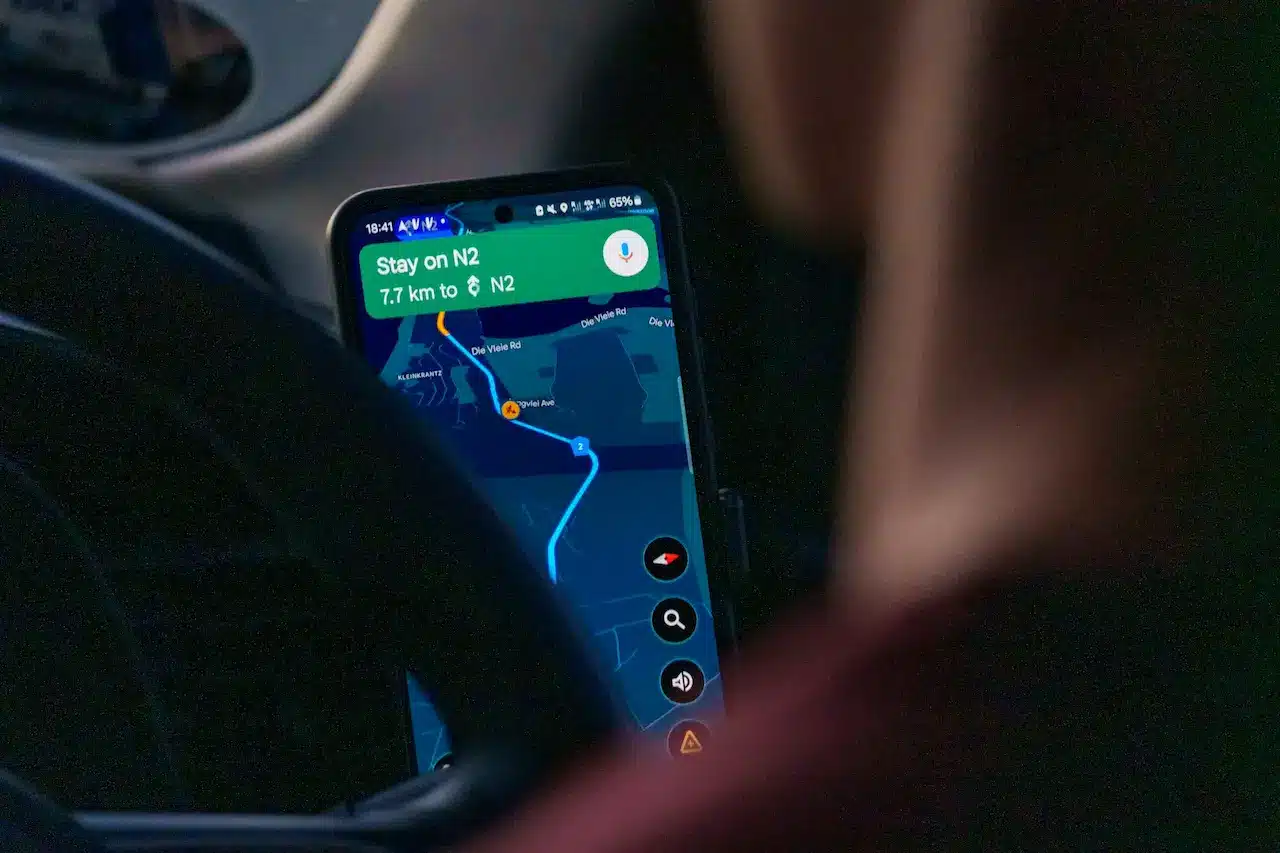
By shifting toward digital alternatives, travellers can dramatically reduce their environmental footprint. Mobile maps, online bookings, digital guides, and app-based itineraries eliminate the need for physical resources, helping to keep beaches, bushland, and wildlife habitats free from litter.
This move toward paperless travel supports conservation efforts and aligns with the “leave no trace” principles encouraged throughout Australia’s national parks and coastal regions.
Making Wildlife Experiences More Responsible
Australia’s wildlife is uniquely vulnerable, and respectful behaviour from visitors is essential. Many travellers rely on technology to access up-to-date guidance on how to interact safely and ethically with animals and natural environments.
Digital tools help visitors check wildlife viewing rules, understand restricted nesting zones, follow seasonal access guidelines, and stay informed about weather or tidal conditions. For example, at St Kilda, visitors must keep their distance from penguins and avoid flash photography, while along Victoria’s coastline, fragile dune systems are easily damaged by off-path walking.
Having instant access to this information helps prevent accidental disturbance to animals and ensures wildlife encounters remain safe, ethical, and memorable.
Supporting Low-Impact, Car-Free Travel
One of the simplest ways to travel more sustainably is by reducing reliance on cars. Many Australian cities and tourist regions offer excellent alternatives such as public transport, walking trails, cycling paths, and shared mobility services.
Technology plays a vital role here. Real-time transport apps, pedestrian-friendly route maps, bike-share platforms, and coastal trail guides all encourage travellers to move around without adding vehicle emissions or congestion. This is particularly effective in places like Melbourne’s bayside suburbs, where trams, walking paths, and cycling routes provide easy access to attractions without harming the environment.
Choosing low-impact transport not only reduces emissions but also allows travellers to experience destinations more slowly and authentically.
Reducing the Need for Paper Maps and Printed Tickets
Eco-friendly travel technology also removes the need for physical paperwork. Digital maps, mobile tickets, online reservations, self-guided audio tours, and downloadable travel guides all help minimise waste.
In natural and wildlife-rich areas, even small pieces of litter can disrupt ecosystems or be ingested by animals. By replacing printed materials with digital versions, travellers help protect sensitive habitats while enjoying a more convenient and streamlined travel experience.
This shift is particularly valuable in national parks, coastal reserves, and wildlife sanctuaries where waste management is challenging.
Helping Travellers Stay Safe in Remote Natural Areas
Australia’s landscapes are stunning, but they can also be unforgiving. Heat, bushfires, strong UV exposure, and rapidly changing weather conditions pose real risks, especially for visitors unfamiliar with local environments.
Modern travel tech allows visitors to check bushfire alerts, heat warnings, UV indexes, marine safety conditions, tide charts, and hiking track updates in real time. This information isn’t just helpful — it can be lifesaving.
For those exploring coastal habitats like St Kilda, Phillip Island, or Wilsons Promontory, staying informed ensures travellers remain within safe zones while respecting environmental and wildlife protection rules.
Digital Connectivity and Sustainability
One important digital tool supporting eco-friendly travel is mobile connectivity without physical components. Solutions such as Holafly’s esim for travelers allow visitors to stay connected without producing plastic waste or requiring disposable travel items. Because these services are fully digital, they reduce packaging, manufacturing, and shipping impacts while giving travellers reliable access to essential information throughout Australia.
This approach supports sustainable tourism by reducing waste and making it easier for visitors to rely on digital resources rather than printed or single-use alternatives.
Making Eco-Tourism More Accessible Through Smart Technology
Sustainable travel isn’t just about reducing impact — it’s also about making conservation engaging and accessible. Many digital platforms now allow visitors to learn about native species, explore conservation projects, follow wildlife protection updates, and even contribute to preservation efforts.
Virtual tours, interactive maps, and educational apps help travellers understand the importance of Australia’s ecosystems without placing additional strain on sensitive environments. This blend of education and technology enhances the eco-tourism experience while supporting long-term conservation goals.
A Simple Step Toward More Responsible Travel
Sustainability doesn’t always require dramatic changes. Often, it begins with small, practical choices that add up over time. Choosing digital travel tools helps reduce waste, minimise environmental disruption, and encourage safer, more informed exploration.
By relying on smart technology instead of physical materials, travellers can enjoy Australia’s natural beauty while helping to preserve it for future generations.
Final Thoughts: Responsible Travel Starts With Smart Choices
Australia’s landscapes — from the Little Penguins of St Kilda to its forests, coastlines, and deserts — deserve thoughtful and responsible tourism. The tools travellers choose can either add pressure to these environments or help protect them.
Eco-friendly travel technology offers a clear path forward, allowing visitors to reduce waste, travel safely, and stay informed wherever their journey takes them. With the right digital tools, exploring Australia can be both unforgettable and environmentally responsible — ensuring these incredible places remain protected for years to come.