
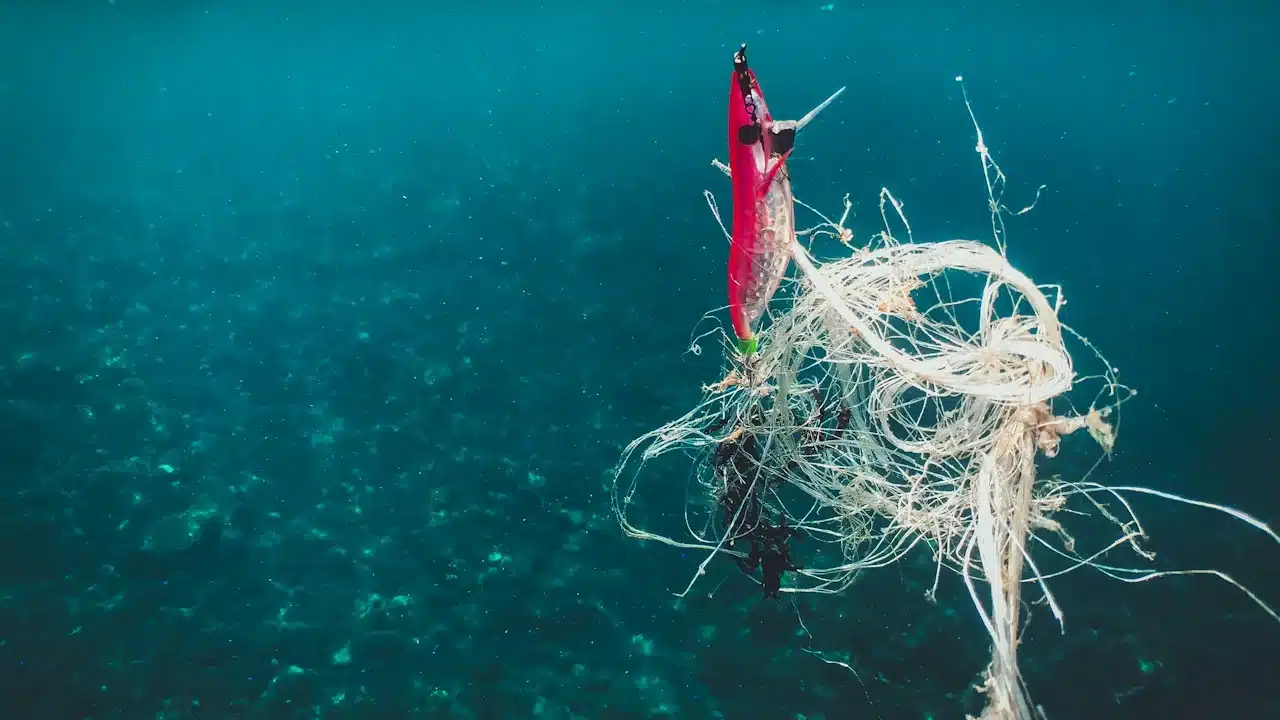
Entanglement is one of the most direct ways people harm St Kilda’s little penguins, and one of the easiest to prevent. A penguin that swims into discarded fishing line, netting or plastic usually can’t free itself. The more it struggles and swims, the tighter the tangle gets. It can cut into skin, stop a bird from feeding, or drown or strangle it outright.
This page brings back a topic from the original St Kilda Penguins website. In 2008 the site carried a small gallery of photos showing exactly what entanglement looks like: a penguin drowned in fish netting, one with a six-pack ring around its neck, birds strangled by fishing line or with line wrapped around a leg, a chick caught up in line in its nest, and a penguin tangled in a plastic bag. Below we explain each of those cases, why the breakwater is a hotspot, and what to do if you find a tangled bird.
Why little penguins can’t escape a tangle
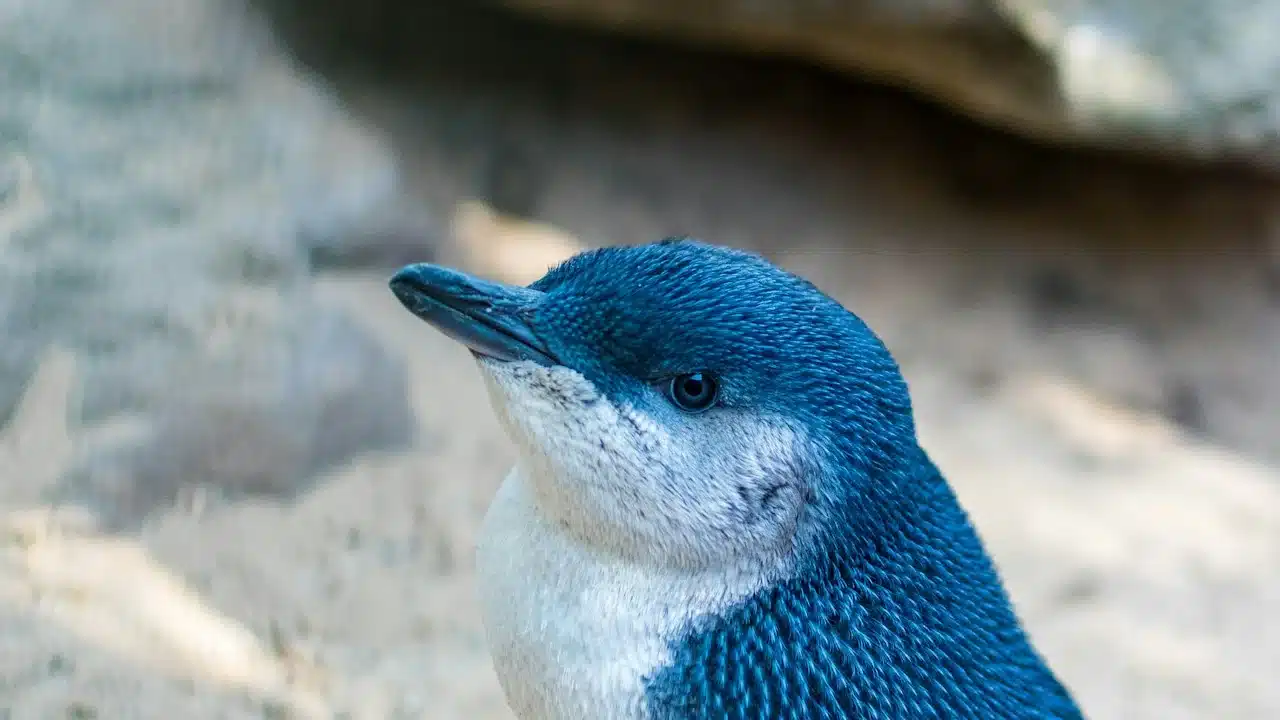
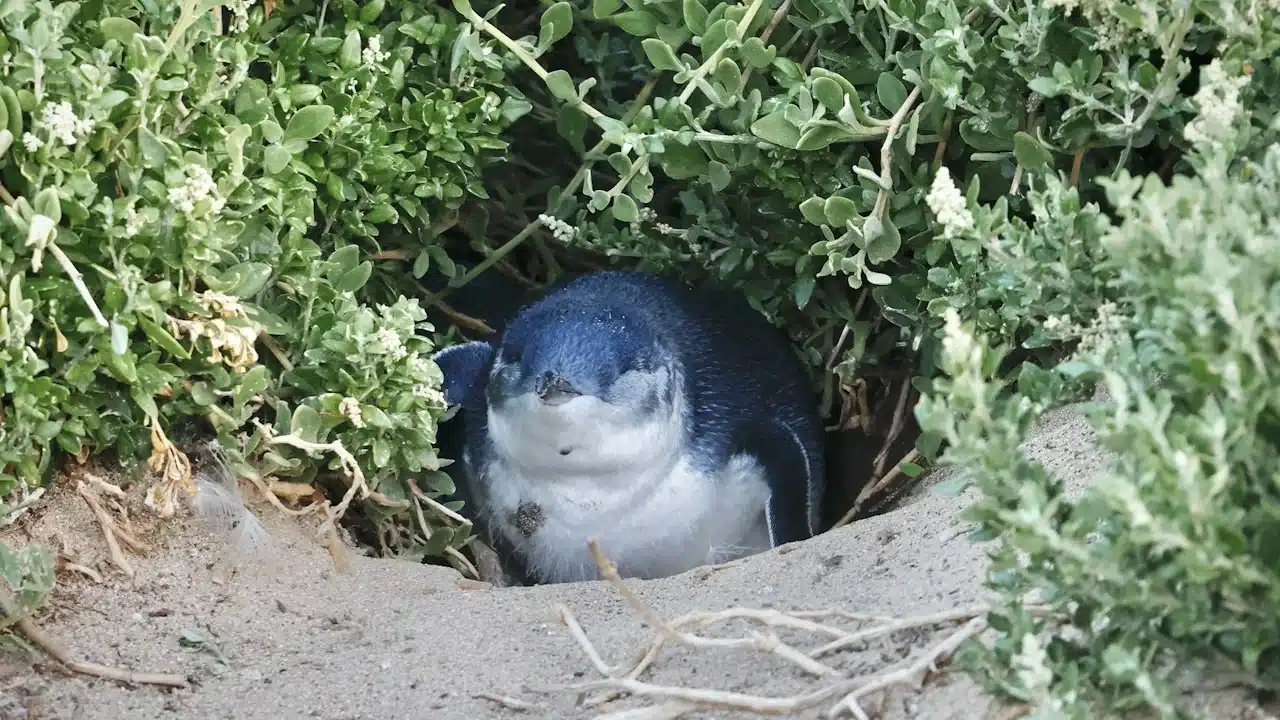
Little penguins (Eudyptula minor) are the smallest penguin species in the world, roughly 30cm tall and about 1kg. They have nothing to grip with. Flippers are built for swimming, not for pulling at line, and a beak can’t reach a loop around the neck or the back of the head.
They also spend the whole day at sea and only come ashore after dark. An entangled penguin is usually out of sight when it gets into trouble, in the water or among the rocks at night, and by the time anyone notices, the line may already have cut in.
Six real examples of entanglement
1. Drowned in fish netting
Netting is the deadliest of the lot. A penguin chasing fish underwater can swim into a loose section of net, a discarded bait bag or a snarl of rope and mesh. Penguins have to surface to breathe, and a bird held under by netting drowns quickly. Lost and dumped nets don’t stop working when the fishing stops. They keep catching wildlife for as long as they’re in the water.
2. Six-pack rings and plastic loops around the neck
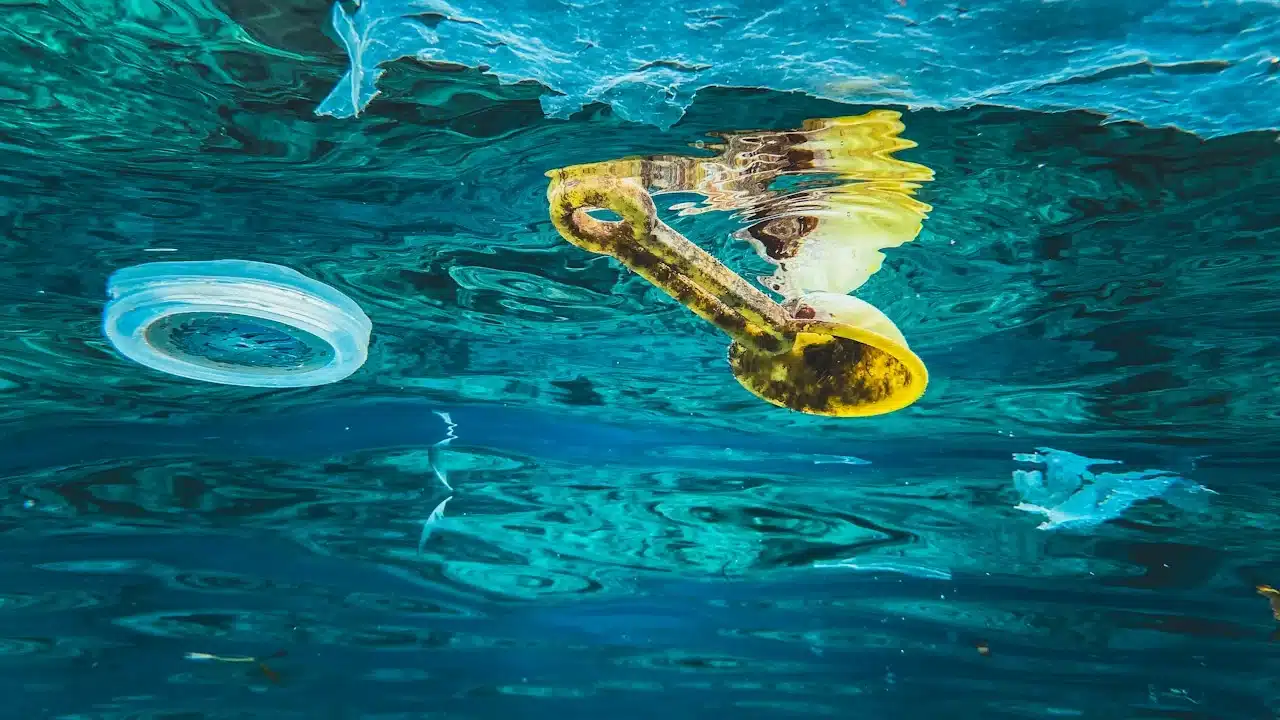
The plastic rings that hold multipacks of cans together, bottle-cap rings, packing straps and similar loops are just the right size to slip over a penguin’s head. Once a ring is on, the bird can’t shake it off. It can restrict breathing and swallowing and rub into the neck, and a ring that ends up on a young bird only gets tighter as it grows.
3. Strangled by fishing line
Monofilament fishing line is thin, strong and almost invisible underwater, so a penguin can swim straight into it without ever seeing it. Line snagged on rocks or left trailing from a lost rig can loop around a penguin’s neck, and every attempt to swim away pulls the loop tighter.
4. Fishing line wrapped around a leg or flipper
Not every entanglement kills straight away. Line wrapped around a foot, leg or flipper cuts off circulation and slowly cuts into the skin. A penguin with a damaged flipper can’t swim or catch fish properly, and a bird that can’t feed well can’t raise chicks or build up the fat it relies on to get through its yearly moult, when it has to stay ashore and fast for about two weeks.
5. A chick caught in line in the nest
St Kilda’s penguins nest in the gaps between the breakwater’s rocks. Line, rope and plastic that wash into those cavities or snag on the rocks around them end up exactly where chicks are raised. A chick can’t leave the nest, so it has no way to move away from a tangle, and it can’t pull free the way a strong adult sometimes can.
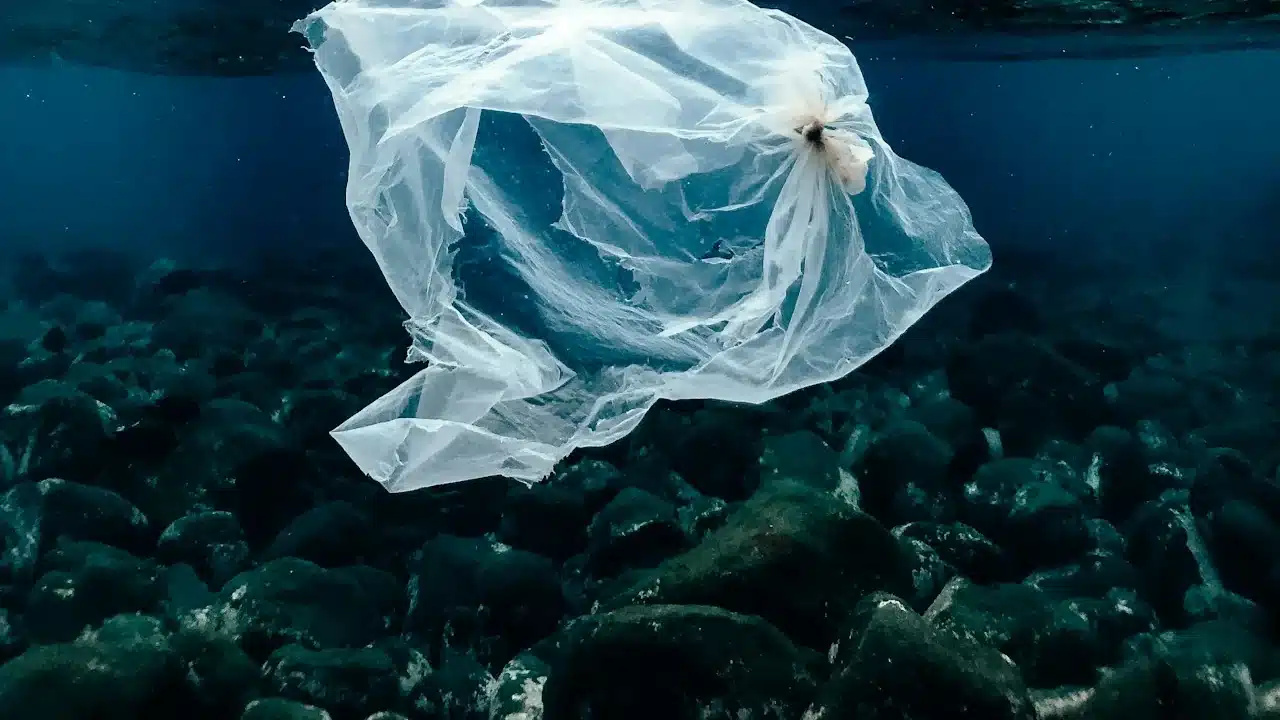
6. Tangled in a plastic bag
Plastic bags drift through the water and collect among the rocks. A penguin can get a bag wrapped around its body or flippers, which pins the flippers, drags on the bird while it swims and makes it much harder to dive and feed. Plastic can be swallowed too. That slower, less visible problem is covered in our article on how marine plastic and fishing line injure St Kilda’s penguins.
Why the St Kilda breakwater is a hotspot
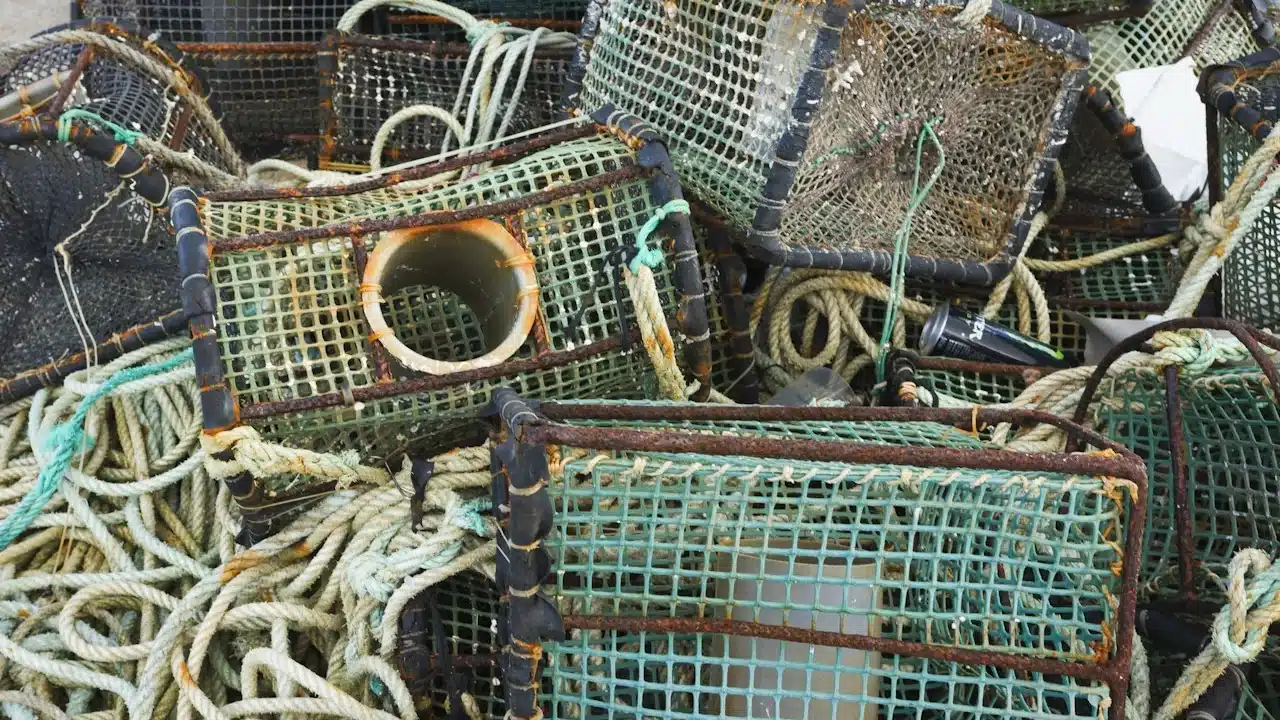
The colony lives on a human-built rock wall beside one of Melbourne’s busiest stretches of waterfront. Fishing is allowed on St Kilda Pier, right next to the colony, although it is banned on the breakwater itself. Line that snaps, snags or gets cut and left behind can end up in the water the penguins swim through on their way home each evening.
Litter from the beach, the foreshore and the streets also finds its way into Port Phillip Bay. Plastic that gets wedged among the breakwater’s rocks doesn’t wash away easily, which is why picking up rubbish near the pier matters more than it might seem.
What to do if you see an entangled penguin
- Don’t try to catch it or cut the line yourself. Chasing a penguin adds stress and can cause more injury, penguins can bite, and pulling on line that has cut in can make the wound worse.
- Keep people back and watch where the bird goes.
- Note the exact location. A dropped pin on your phone is ideal.
- Call the Zoos Victoria Marine Response Unit on 1300 245 678. It is the contact Parks Victoria gives for sick, injured or entangled penguins at St Kilda. For other native wildlife, Wildlife Victoria’s 24/7 line is (03) 8400 7300.
- At the pier or breakwater, you can also call Parks Victoria on 13 1963, which manages St Kilda Pier and Breakwater, or tell a ranger or volunteer if one is on duty at the viewing area.
How to stop entanglement before it happens
If you fish
- Take all broken or leftover line, hooks, sinkers and bait bags home, or use a fishing-line recycling bin where one is provided.
- Cut unwanted line into short pieces before you bin it, so it can’t form loops if it escapes.
- If you snag on the rocks, try to recover the rig rather than cutting it off and leaving line behind.
- Check your gear before each trip and replace worn line before it snaps.
Everyone else
- Cut through plastic rings, loops and straps before you throw them away.
- If the bins are full, take your rubbish home so wind and birds can’t carry it into the bay.
- Pick up line and plastic you see on the beach or foreshore, carefully, especially anything with a hook still attached.
- Join a local beach clean-up. Our How Can I Help? page has more ways to support the colony.
Planning a visit? Read our guide to penguin viewing at St Kilda Breakwater, or make a donation to support the colony.