
Half past five in July, and the car park behind the pier is already filling with hatchbacks. Getting to St Kilda Pier isn’t complicated, but the timing catches people out more than the actual travel does. You’re not heading here for a daytime stroll – you’re arriving for a booked viewing session, right as everyone else in St Kilda is also arriving for dinner, a sunset walk, or the same session you are.
Whether the tram or the car is the better call depends on the season. In winter, when dusk lands at 5.30pm and the viewing sessions fall squarely inside peak traffic, public transport wins outright. In summer, when the sun doesn’t dip until well past 8pm, driving becomes more forgiving because you’re arriving well after the dinner rush has cleared out.
Why timing matters more than the route itself
Little penguins forage at sea all day and only return to the breakwater after dusk, under cover of darkness – it’s a survival habit, not a scheduling quirk, and it’s the whole reason viewing here happens at night rather than during the day. That single fact dictates everything about your trip planning. Viewing is run by Phillip Island Nature Parks as free but ticketed one-hour sessions, two each evening – one at sunset and one after dark, each capped at 150 people, so bookings are essential and the start times shift through the year with sunset. Your job is to arrive with enough buffer to walk out along the pier and be settled, quietly, with your eyes adjusted, before the first birds start porpoising in.
If you’ve read our piece on the best time of year to visit, you’ll know winter dusk is genuinely the easiest viewing window, if not the warmest one to stand around in. Check your session time and the sunset time for the day you’re going rather than assuming – the Bureau of Meteorology’s Victorian pages publish daily sunset times for Melbourne, and it’s worth a thirty-second check before you leave home, alongside the practicalities on our penguin viewing page.
Getting there by tram
The 96 tram from the CBD (Bourke Street through Southbank and along the St Kilda Road corridor) is the most direct route, terminating right near the corner of Fitzroy Street and the Esplanade, an easy eight to ten minute walk down to the pier from there. It’s frequent, it runs well into the evening, and unlike driving, it doesn’t leave you circling a car park with the clock ticking down to your session. The 12 and 16 trams also stop at St Kilda Pier and are workable alternatives if you’re coming from the Domain or South Yarra side of town.
Plenty of Melburnians default to driving out of pure habit, which is a fairly Melbourne thing to admit is a flaw. But on a cold, clear winter evening, hopping off the 96 and walking straight down to the foreshore beats hunting for a park while the light’s dropping and your session start time approaches. Trams also solve the one genuine downside of a night visit: you’re not trying to find your car in an unlit car park at the end of the evening. Torches aren’t permitted at the viewing area itself, though there’s nothing wrong with carrying a small one for the walk back to the car or the tram stop.
Getting there by train
St Kilda doesn’t have its own train station, which trips up a fair few visitors expecting one. The nearest useful station is Balaclava, on the Sandringham line, from which it’s a fifteen to twenty minute walk down Carlisle Street and through to the foreshore. It’s a perfectly fine option if you’re already near that line, but for most people coming from the city, the tram is simpler and drops you closer. If you’re coming from the eastern or bayside suburbs and the Sandringham line is your natural route anyway, Balaclava works – just budget the walking time into your session deadline.
Driving in, and where parking actually gets tight
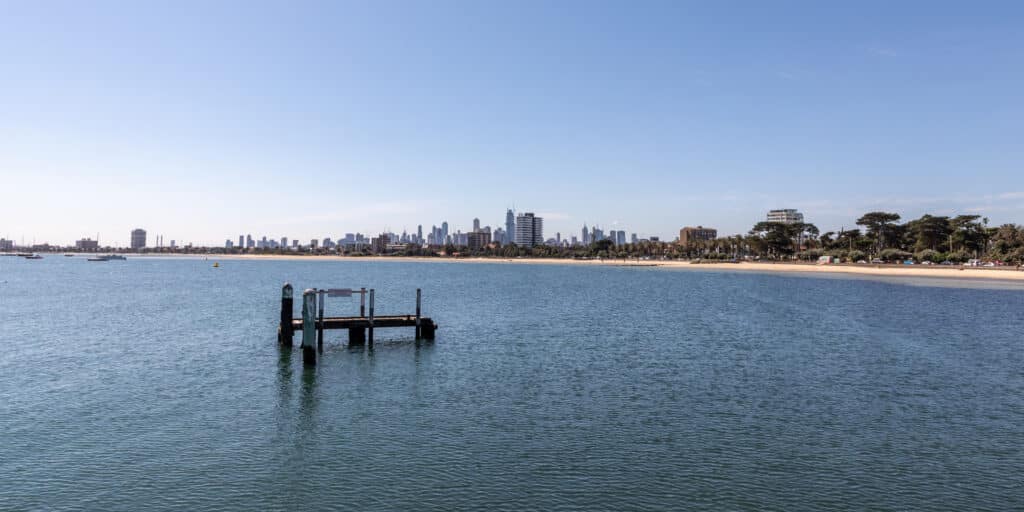
Driving is straightforward on paper: the pier sits at the end of Jacka Boulevard, with limited paid parking next to the St Kilda Sea Baths and along the main roads nearby. The problem isn’t finding parking in the abstract – it’s finding it in the twenty minutes either side of sunset on a Friday or Saturday, when those spaces are also serving restaurant traffic on Acland Street and Fitzroy Street, plus everyone else booked into the same session you are.
Our honest view is that driving on a summer weekend is more trouble than it’s worth. You’ll spend fifteen minutes looking for a spot within walking distance, and by the time you’ve found one, you’ve lost the calm, unhurried arrival that actually makes for good penguin watching. On a quiet Tuesday in June, though, it’s a non-issue – you’ll get a spot on the Esplanade with no fuss.
A few practical notes if you do drive: check the signage on meters carefully, as paid parking hours and restrictions along the Esplanade and around Jacka Boulevard do change from block to block, and they are enforced. Don’t assume free parking after 6pm without reading the actual sign in front of your car. And never park in a way that has you cutting across the foreshore vegetation or dune area to save two minutes’ walk – that same vegetation is part of what keeps the colony’s surrounds intact, something covered in more depth in our piece on foreshore revegetation.
Walking out to the viewing boardwalk
However you arrive, the final stretch is on foot, out along the pier to the 150-metre elevated viewing boardwalk at the end of it. Visitors don’t walk on the breakwater rocks or stand among the nests – you watch from behind the boardwalk railings, above the rubble wall the birds come home to. The boardwalk is fitted with wildlife-friendly lighting and closes each night once the sessions have finished. Flash photography, torches and bright phone screens are off the table out there. If you haven’t already, it’s worth reading what to wear and bring for a night visit before you set out, because warm layers and comfortable closed shoes matter more than people expect.
If you’re travelling with someone who has mobility considerations, plan this leg specifically – the boardwalk itself is level, but the walk out along the pier adds up, and our accessibility guide goes through what to expect on the way and at the viewing area.
Guides are there during the sessions
Phillip Island Nature Parks runs the sessions and its guides are on the boardwalk while they’re on, and they’re worth talking to early rather than after you’ve already picked a spot. They’ll point you to where birds are likely to come ashore that evening, explain why torches and flash photography are off the table, and keep an eye on the behaviour that causes problems for a colony living on a small, human-built structure right next to a busy harbour. Volunteers, separately, carry out the population counts, weighing and banding that track how the colony is faring. Dogs are welcome on the pier on a lead but are prohibited on the breakwater at all times, so keep yours leashed and well back from the rocks. If you want the fuller picture of how the guiding side works, we’ve written about it separately in how guided viewing works at the breakwater.
It’s also worth remembering this is a wild colony on a man-made rock wall, so nobody can promise penguins on a schedule. Some evenings you’ll see a dozen birds come ashore within the first twenty minutes. Other nights, rough seas or wind change the pattern entirely – weather has a real effect on what you’ll see, and no amount of careful travel planning changes that part.
A few small things that make the trip smoother
Bring a jacket even in summer – the end of the pier sits exposed to the bay and it’s noticeably colder out there than back on Acland Street. Have your booking ready before you leave home, and arrive with enough buffer that you’re not power-walking the last five minutes in the dark; fifteen minutes early beats five minutes late every time, since once the birds start arriving you’ll want to be still and quiet at the railing. And if you’re coming here after a larger colony elsewhere, the difference in scale and setting is worth knowing about beforehand – what changes coming here after Phillip Island covers that gap well.
None of this is complicated once you’ve done it once. The tram is the easiest single decision you can make in winter, driving is fine outside peak weekend evenings if you’re realistic about parking, and either way, the last stretch is on foot along the pier to a boardwalk above a rock wall that’s home to a colony that was never meant to be there in the first place, and has been getting on with it since the breakwater went up in 1955 regardless.