
It takes very little. A lead goes slack on the pier at night, and a dog is a few rocks into the breakwater before its owner has noticed. A little penguin coming back from a day at sea, tired and making for its nest after dusk, doesn’t have time to work out whether the animal bounding towards it is curious or predatory. It just runs, and running on rubble rock at night is how birds break legs, or worse.
That is the reason keeping dogs on lead near the breakwater isn’t a suggestion, it’s the rule that matters most out of everything visitors are asked to follow. Not flash photography, not torches, not staying behind the boardwalk railings. Dogs. If you take one thing from this guide, take this.
Why dogs on lead near the breakwater is non-negotiable
Little penguins evolved on predator-free islands and isolated mainland pockets of southern Australia and New Zealand, without much exposure to four-legged hunters. Eudyptula minor is a small bird, around 30cm tall and about a kilogram, built for swimming fast and waddling slow. It has no real defence against something that can outrun it on land. A dog doesn’t need to actually catch a penguin to do damage. The chase itself, the stress of a near-miss, the scramble over jagged rock in the dark, can be enough to injure or kill a bird that would otherwise have gone on foraging trips for another decade.
This is why we’ve written before about off-leash dogs being the single biggest threat to this colony, ahead of boat strike, ahead of plastic, ahead of predation from foxes and cats. It’s not that those threats aren’t real. It’s that dogs are the threat most directly controlled by the person standing at the end of the lead, at the exact moment they’re standing there.
What the breakwater actually is, and why that matters for access
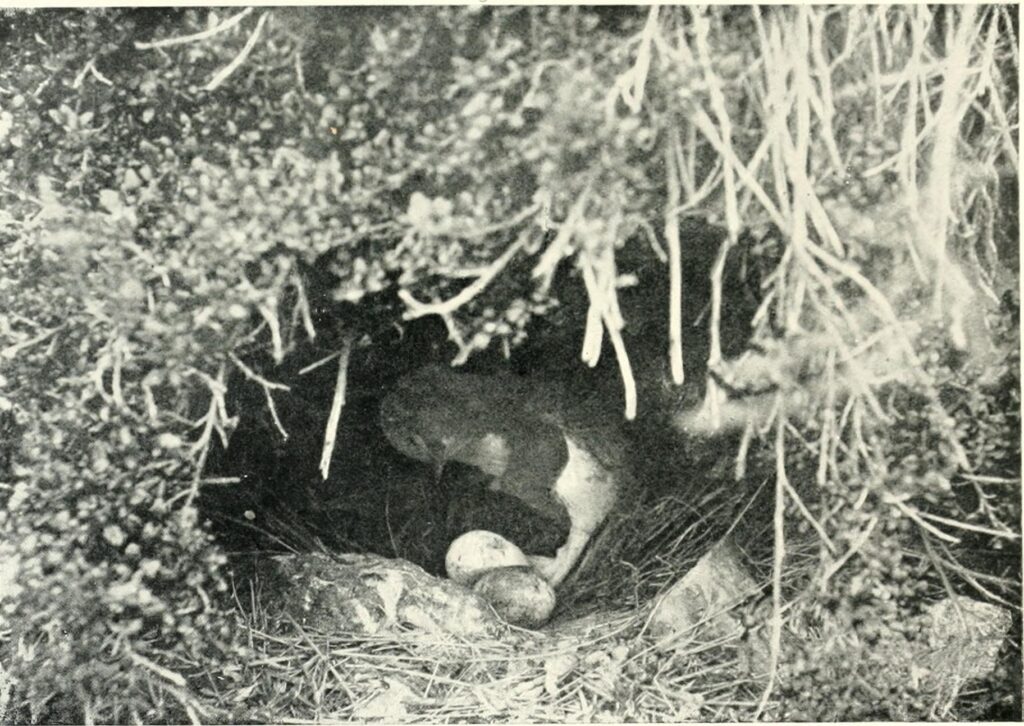
The breakwater wasn’t built as habitat. It went up in 1955 as part of the upgrade to St Kilda Pier, a rubble-stone wall meant to do nothing more romantic than break waves. The penguins moved in on their own, into the gaps and cavities between the rocks, and stayed. Nobody designed this colony. That’s part of why it’s so unusual: it’s the only mainland breeding colony of little penguins in Victoria sitting inside a major city, about 7km from the CBD, wedged into infrastructure never meant to hold nesting birds.
What that means practically is the rocks themselves are uneven, slick with spray, and full of cavities that double as nests. A dog scrambling over them isn’t just a chasing risk, it’s a structural one. Paws and claws in a nest cavity can collapse an entrance, expose eggs or chicks to the weather, or trap an incubating adult. The wall was never engineered with load-bearing wildlife in mind, so every disturbance carries a bit more weight than it would on a natural dune or headland.
Late July through summer is when it counts most
Courtship and nest re-forming start late July and run through October, eggs go down from August into early November, and incubation is shared by both parents over roughly five weeks. Chicks hatch anywhere from September to December and need feeding on whole fish brought back from the bay. Through all of this, both parents are shuttling in and out under cover of darkness, exactly when most people are walking dogs along the foreshore path after work or after dinner.
An adult flushed off an egg or a chick by a barking dog doesn’t just lose a few minutes. Eggs left uncovered cool quickly on an exposed rock wall, and a startled parent may abandon a nest attempt for the season. During the two-week moult each summer, it’s even more precarious, because a moulting bird can’t go to sea and is living entirely off stored fat reserves on land. It cannot outrun anything. For background on how tight that energy margin is, see our piece on what a healthy pre-moult weight looks like for these birds.
Why after-dusk viewing raises the stakes
Little penguins spend the day foraging out in Port Phillip Bay and only come back to the breakwater after dark, which is exactly why public viewing happens at dusk and not during daylight hours. That single fact, covered in more detail in why little penguins only ever come ashore after dark, is also why dog control becomes harder to manage in practice. Visibility drops, and a dog off lead in low light is far more likely to be a genuine surprise to both bird and owner.
Watching the colony is now a managed affair. Phillip Island Nature Parks runs free but ticketed one-hour sessions every night from the 150-metre elevated viewing boardwalk at the end of the pier, two sessions an evening, each capped at 150 people, with bookings essential and guides present throughout. Visitors watch from behind the railings, not from the rocks, and the boardwalk closes once the sessions finish. You can read how it all works on our penguin viewing page. What that arrangement can’t control is the rest of the pier and foreshore, where people walk dogs at exactly the hour the birds are coming ashore. It’s worth saying plainly: the lead rule isn’t over-reach or busybody behaviour, it’s the only practical line of defence a wild colony has against a domestic animal that, through no fault of its own, still reads as a predator to a bird with nowhere to hide.
The rule itself, and where it sits
Parks Victoria manages St Kilda Pier and the breakwater. Dogs are allowed on the pier on a lead, but dogs and cats are prohibited on the breakwater itself at all times, as is fishing, and assistance dogs are welcome throughout Parks Victoria parks. Plenty of visitors genuinely don’t realise the lead requirement extends the whole way along the pier precinct, not just near the kiosk, and clearer signage would help.
Beyond the rules, there’s a simple practical case: a lead is the only tool that guarantees a dog can’t reach a nest cavity or a bird on the rocks, no matter how well-trained the animal is. Recall doesn’t work at night, in excitement, with an unfamiliar smell in the air. Leads do.
What responsible visiting actually looks like
If you’re bringing a dog anywhere near the foreshore at dusk, the honest answer is to reconsider whether you need to at all. A short walk earlier in the day, well before the light drops, is a better fit for a dog than an evening walk that happens to pass the exact stretch of coast where penguins are coming ashore. If you do need to walk the dog in the evening, keep it on a short lead, well back from the rock wall itself, and don’t let curiosity pull you or the dog closer for a look.
This applies whether you’ve been to Phillip Island before or this is your first visit to a mainland colony. If you’re used to the boardwalks over there, St Kilda changes a few things about what to expect. Both are ticketed; the real difference is scale and setting. St Kilda is a small colony inside a working harbour precinct, with a public pier and foreshore path running right alongside the nesting rock, so a dog walked past in the evening can be only metres from a bird.
None of this is about making dog owners feel unwelcome. Plenty of regulars walk their dogs past the pier every single evening without incident, because they keep the lead short and stay aware of what’s happening on the rocks. It’s a small adjustment for a visitor. For the colony, it’s the difference between a bird making it back to its chicks and one that doesn’t.
Where the rest of the picture fits
Dogs aren’t the only pressure this colony carries. Marine plastic and fishing line entanglement, artificial light disrupting the night return, boat traffic near the breakwater, and predation risk from foxes and cats all sit alongside it, and we’ve covered each of those in separate detail elsewhere on the site. But dogs are the threat an ordinary visitor has the most direct control over on any given evening, which is exactly why it gets so much airtime. If you want to help beyond your own visit, there are ways to get involved in protecting the colony that go further than just keeping the lead short. But keeping the lead short is where it starts.
For the official position on dogs and other rules in the area, Parks Victoria publishes its visitor information for St Kilda Pier and the breakwater online, and the Bureau of Meteorology’s forecasts are worth checking before any evening visit, since wind and rain change both viewing conditions and how sensible it is to have a dog out near slippery rock in the first place.