
How St Kilda’s little penguins cope when Melbourne cooks
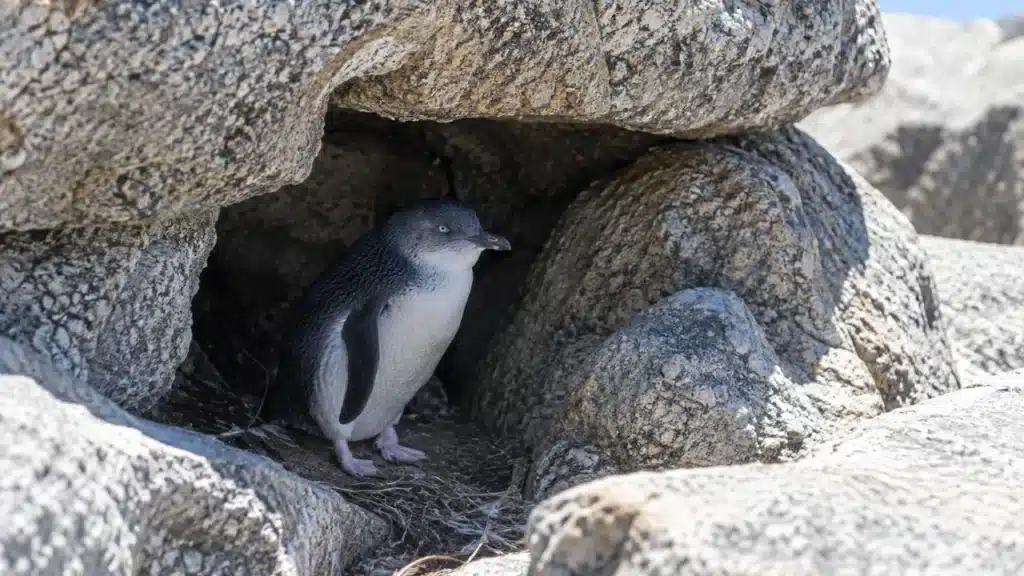
When Melbourne hits 40 degrees, how do little penguins survive the heat on the exposed St Kilda breakwater? Here’s what actually protects them.
What actually preys on St Kilda’s little penguins
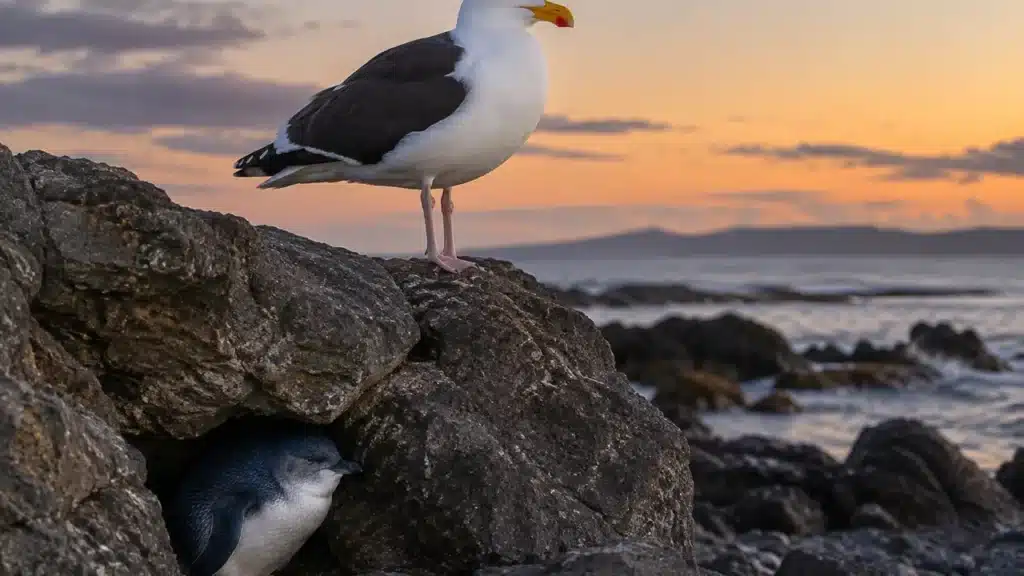
A look at the biggest little penguin predators, on land and at sea, and why the St Kilda breakwater colony faces a different mix of risks.
First time at St Kilda after Phillip Island? Here’s what changes
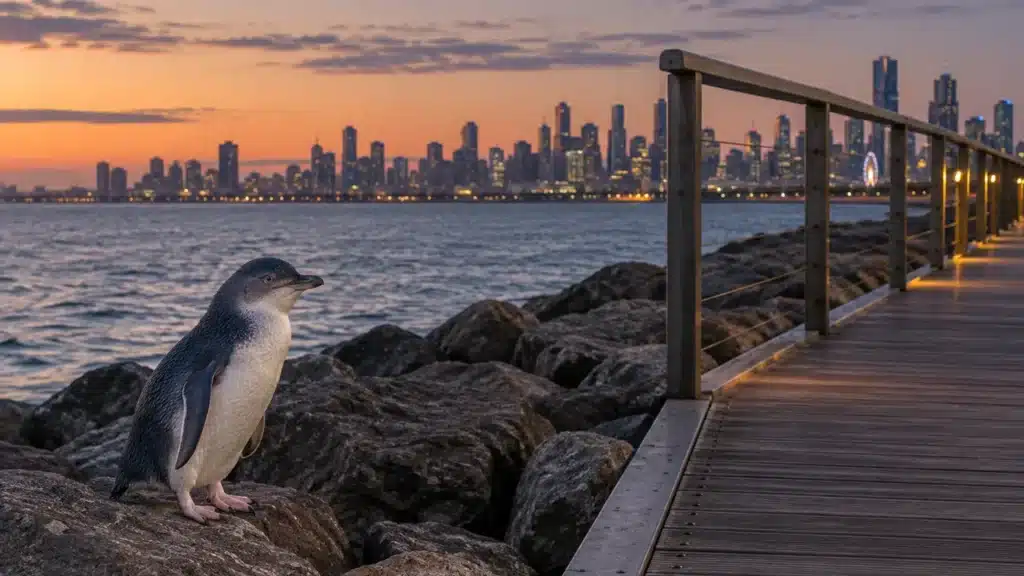
Been to the Phillip Island Penguin Parade? Here’s what to expect at St Kilda’s free wild colony, and why the two experiences barely compare.
What a healthy pre-moult weight looks like for St Kilda’s penguins
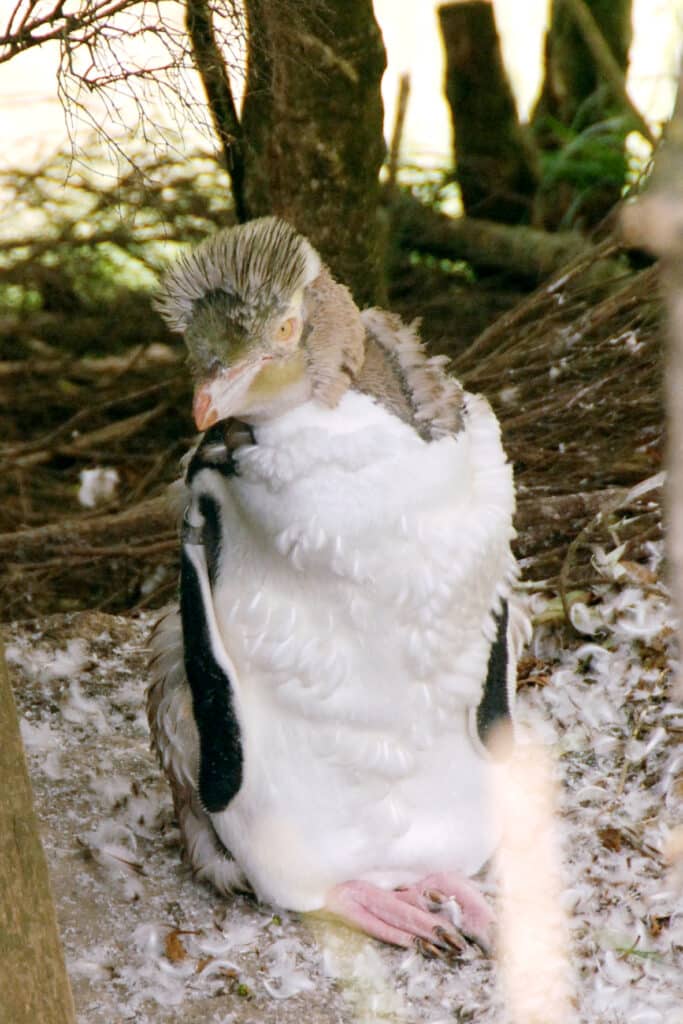
Why researchers weigh St Kilda’s little penguins before moulting, what a healthy pre-moult weight looks like, and what a light bird tells them.
How St Kilda’s penguin chicks are fed, and when they finally leave
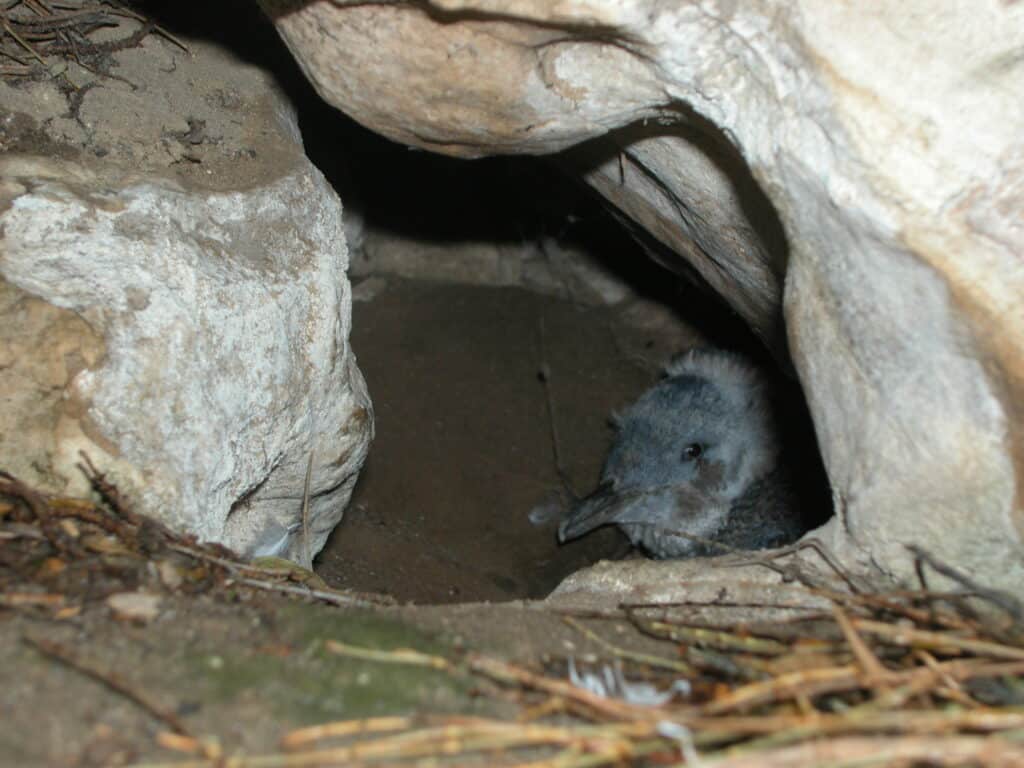
How little penguin chick feeding works at St Kilda, from whole-fish regurgitation to fledging, and why some chicks leave the nest weeks apart.
Rising seas and storm surge: the slow threat to the breakwater colony
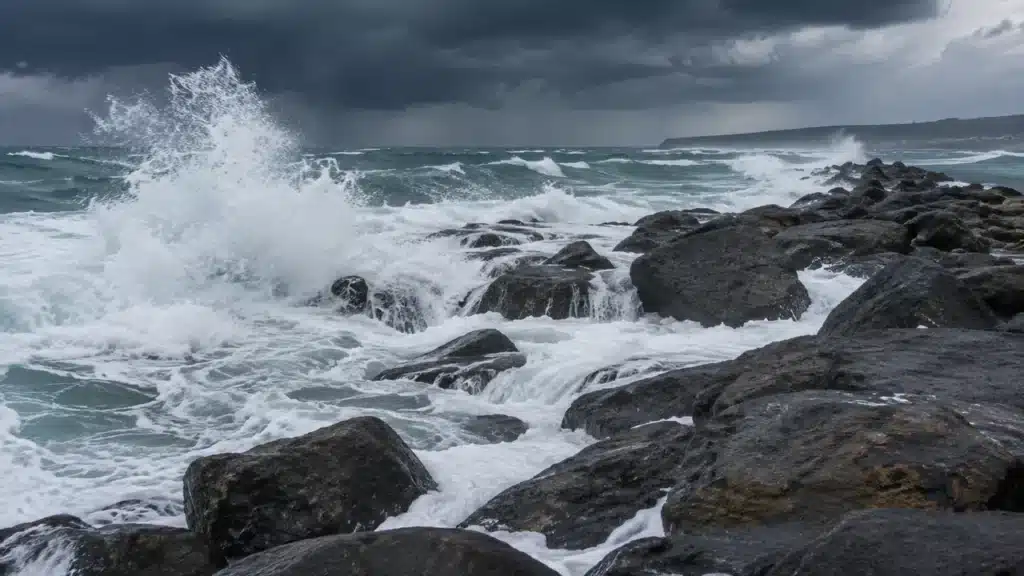
Rising sea levels and storm surge put growing pressure on the St Kilda penguins’ rock-wall home. Here’s what that threat actually looks like.
How marine plastic and fishing line injure St Kilda’s penguins
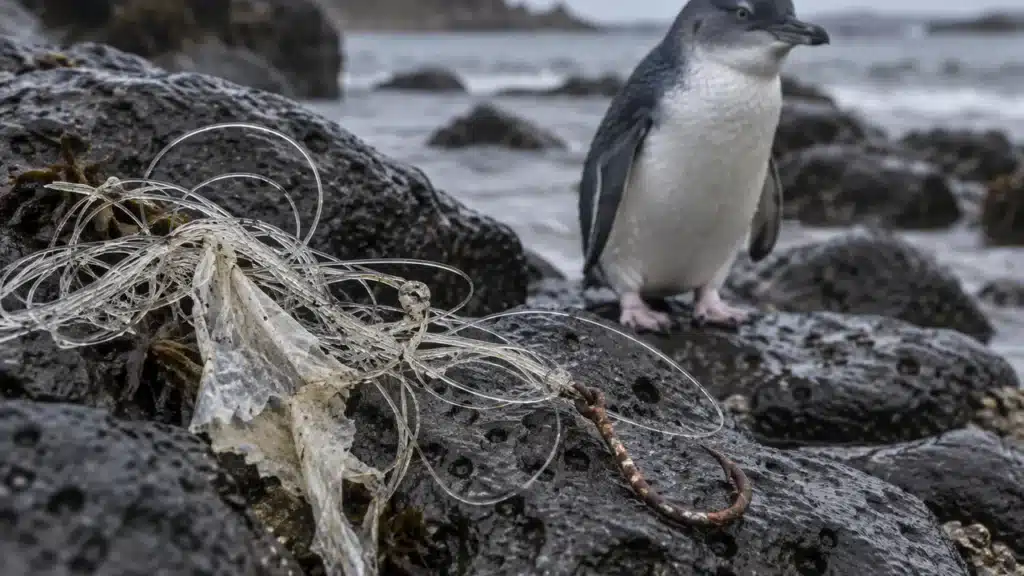
Marine plastic and fishing line pose a real, ongoing threat to St Kilda’s little penguins. Here’s how the damage happens and what actually helps.
Why patience matters more than timing at the St Kilda breakwater
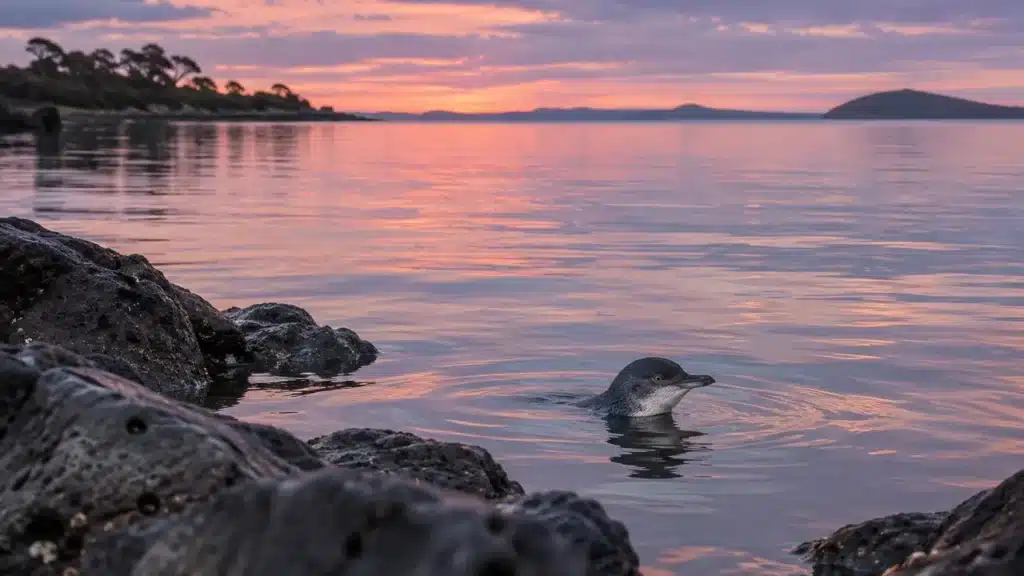
Waiting for the St Kilda penguins to come ashore rewards patience, not precise timing. Here’s why the wait itself is the experience.
Inside the nest: what happens during the five-week incubation
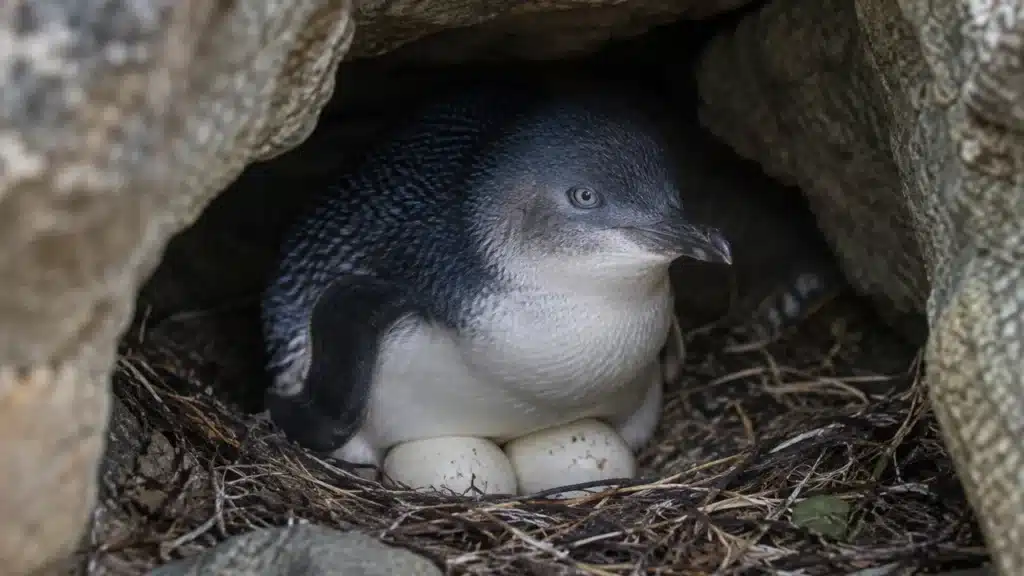
A look at little penguin incubation at St Kilda: five weeks, two eggs, shared shifts, and why a quiet rock cavity matters more than you’d think.
Why little penguins only ever come ashore after dark
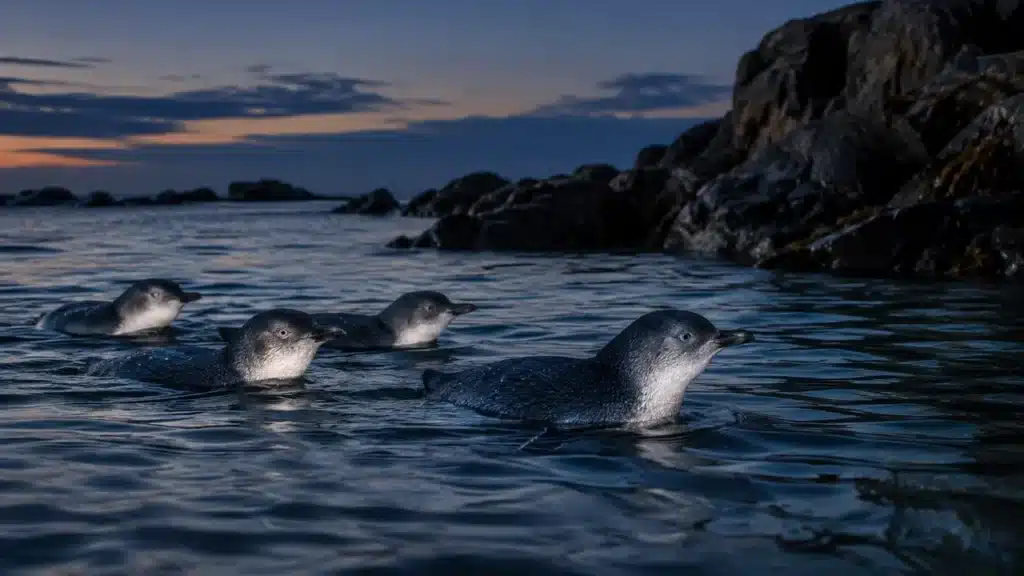
Little penguins come ashore after dark for a reason rooted in survival, not shyness. Here’s why St Kilda’s colony waits for dusk every single night.