
Why little penguins can’t fly, but swim like torpedoes
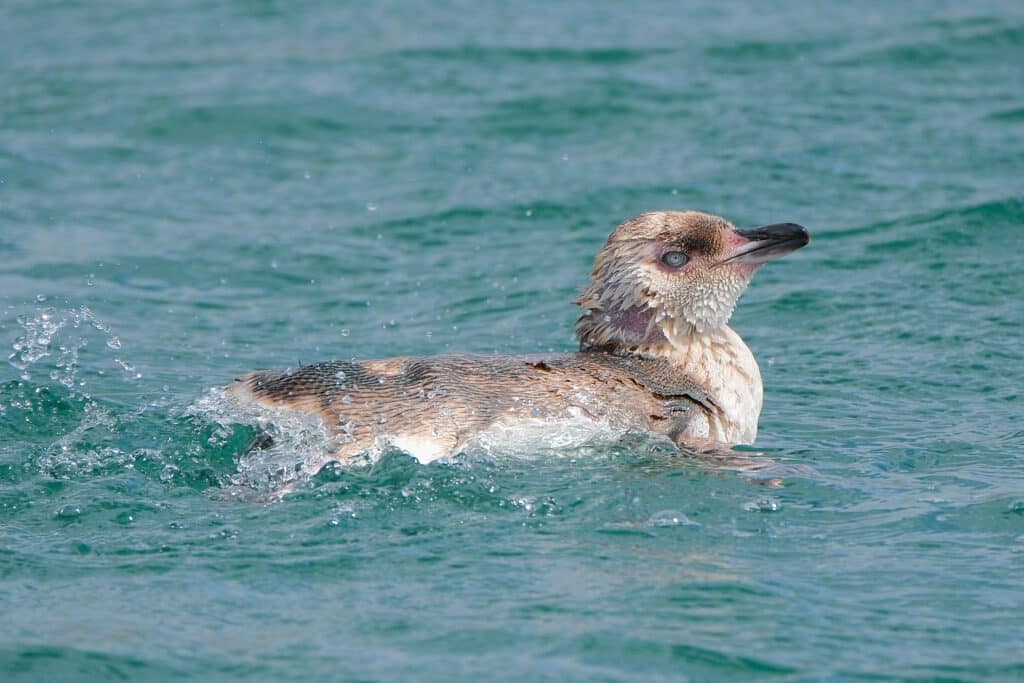
Little penguins traded flight for speed underwater. Here’s why Eudyptula minor’s wings evolved into flippers built for swimming, not flying.
How deep do little penguins dive, and how do they hunt?
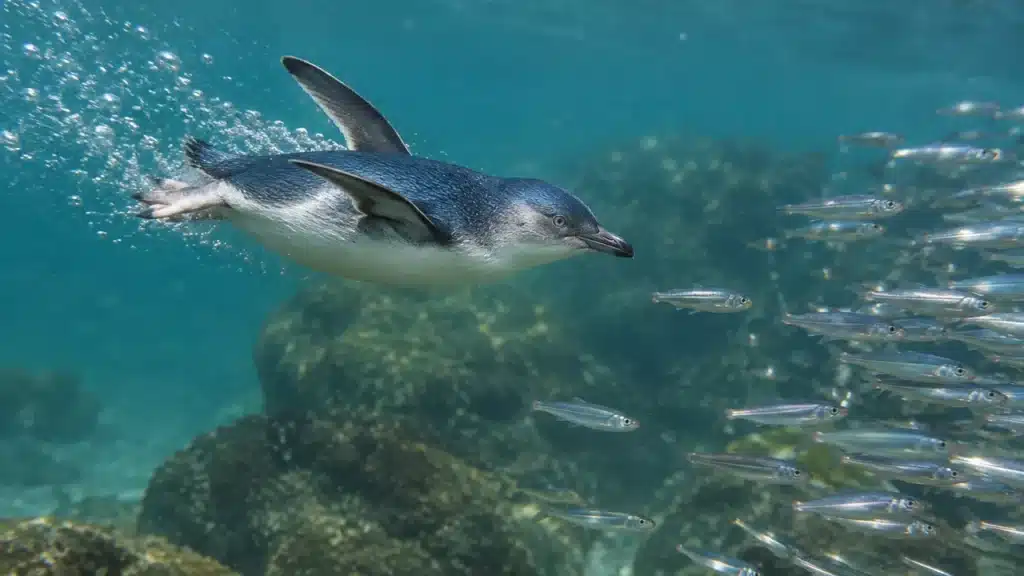
Little penguin diving depth and duration explained: how Eudyptula minor hunts small fish and squid beneath Port Phillip Bay before returning to St Kilda.
How far St Kilda’s penguins swim in a single night at sea
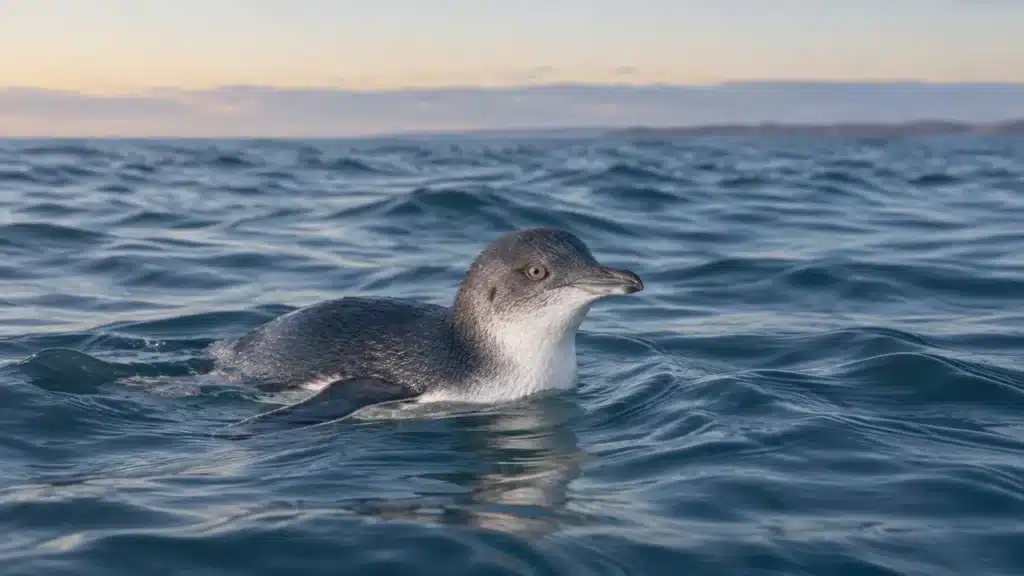
St Kilda penguin foraging trips can cover surprising distances each night. Here’s what’s actually known about how far they swim to feed.
Why almost no penguins actually breed on mainland Australia
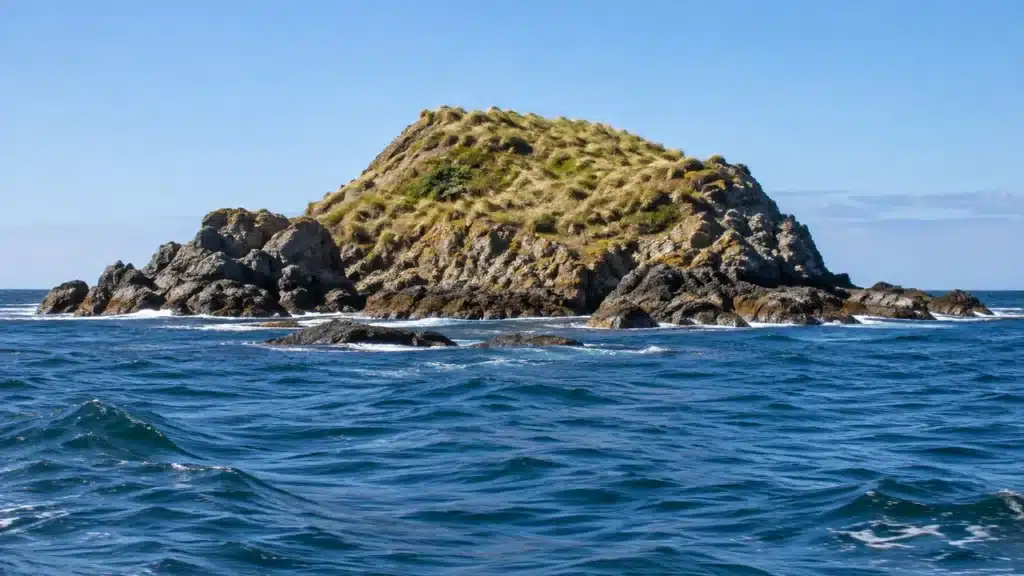
Of 17-18 penguin species worldwide, only the little penguin breeds on mainland Australia. Here’s why, and what it means for the St Kilda colony.
How St Kilda’s penguins waterproof feathers, and why oil is fatal

Penguin waterproofing relies on preening and a single oil gland. Learn why marine oil spills are so lethal to St Kilda’s little penguin colony.
How a St Kilda penguin finds its own nest cavity in the dark
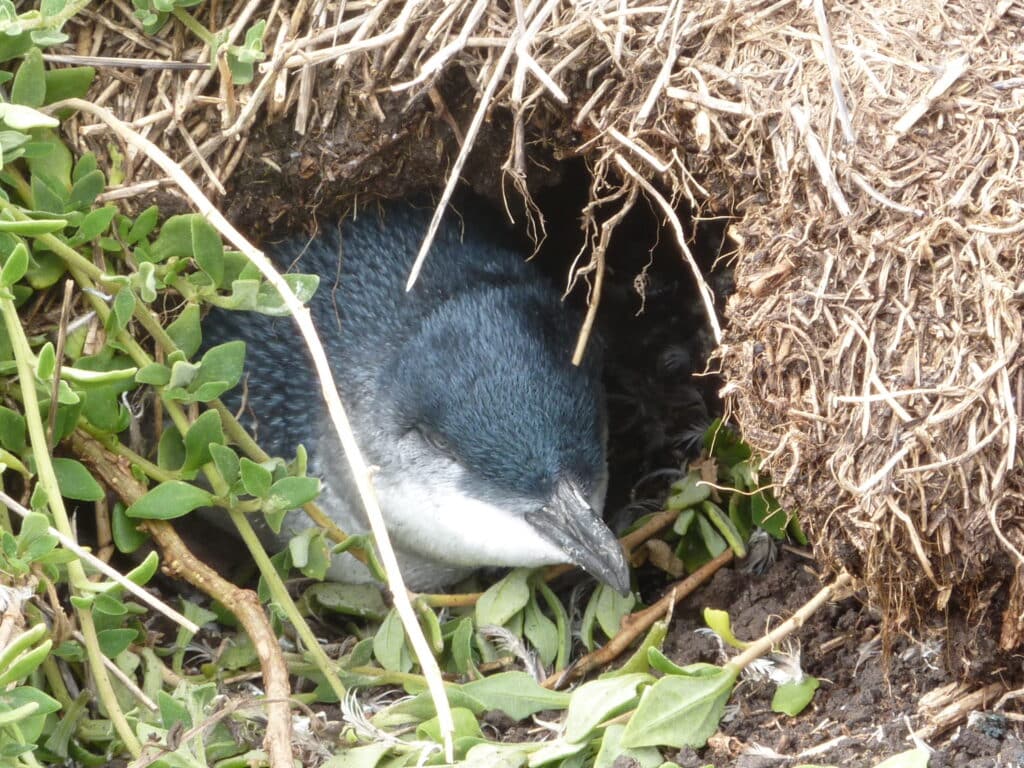
How does a little penguin find its own nest cavity among hundreds at St Kilda? Smell, memory and calls all play a part after dark on the breakwater.
How St Kilda’s little penguins cope when Melbourne cooks
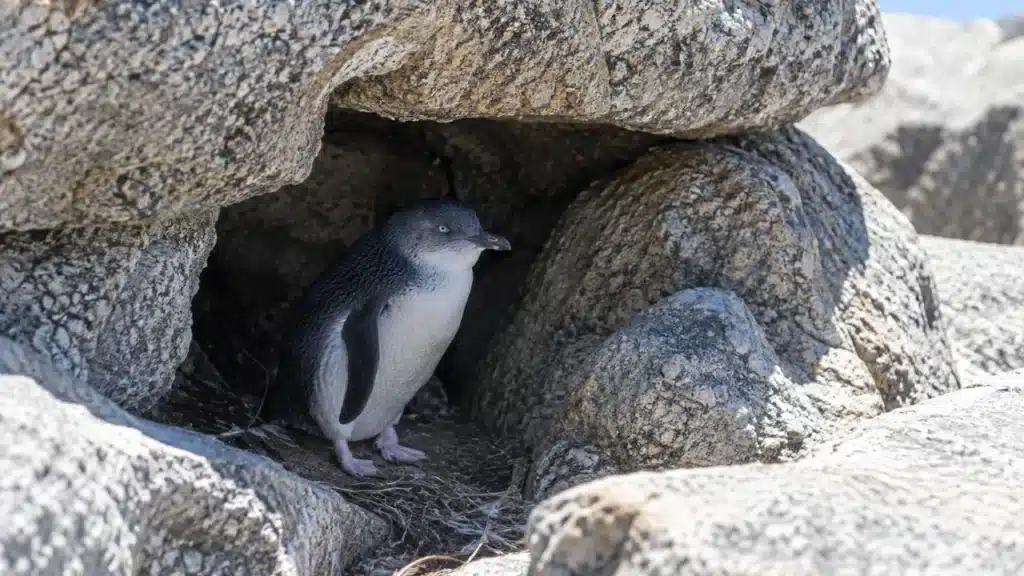
When Melbourne hits 40 degrees, how do little penguins survive the heat on the exposed St Kilda breakwater? Here’s what actually protects them.
What actually preys on St Kilda’s little penguins
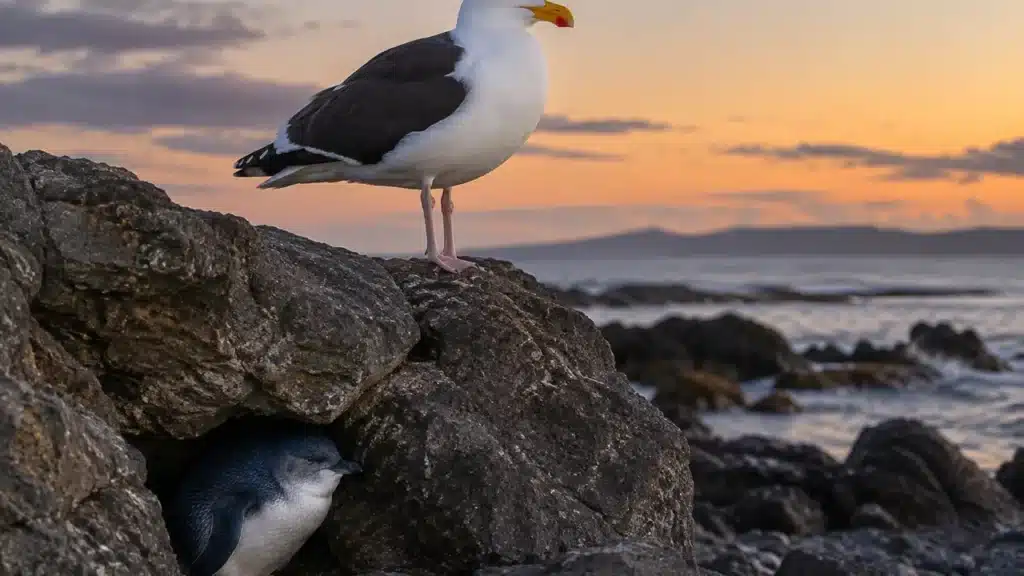
A look at the biggest little penguin predators, on land and at sea, and why the St Kilda breakwater colony faces a different mix of risks.
Little penguins vs New Zealand’s penguins: cousins, not copies
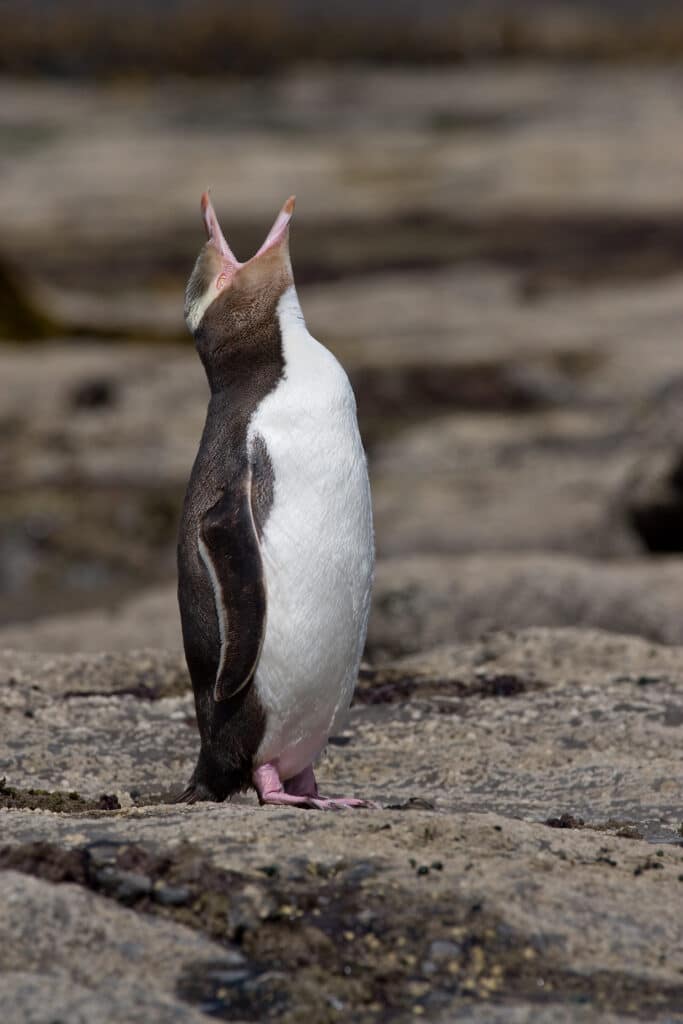
A little penguin comparison across the Tasman: how St Kilda’s Eudyptula minor stacks up against New Zealand’s yellow-eyed and Fiordland penguins.
Inside the nest: what happens during the five-week incubation
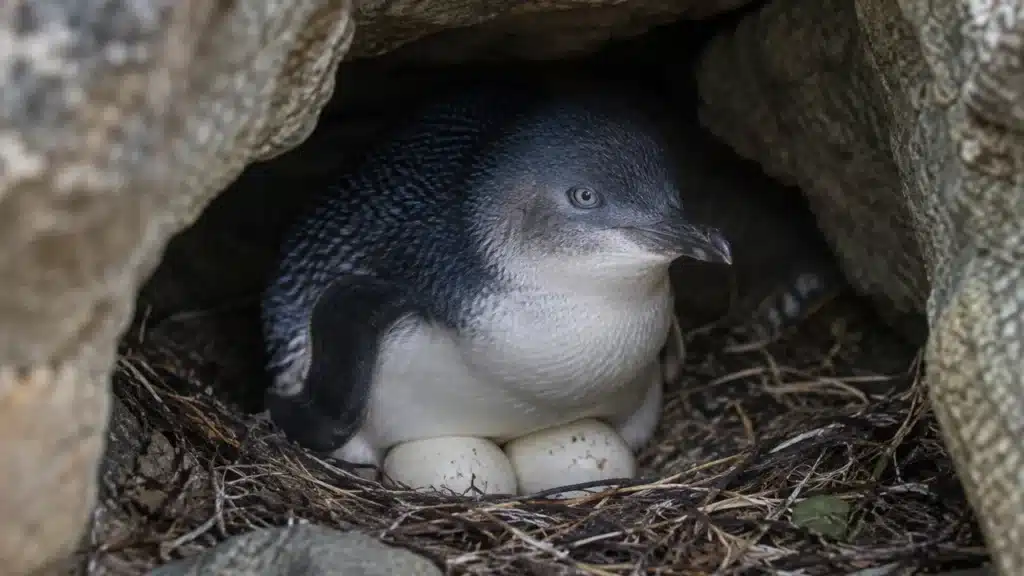
A look at little penguin incubation at St Kilda: five weeks, two eggs, shared shifts, and why a quiet rock cavity matters more than you’d think.